Monday, August 08, 2016

7 Changes to Make if You Want to Lose 20 Pounds or More

When it’s more than those "last five pounds".  By K. Aleisha Fetters

As exciting as it can be to think about slipping back into your favorite summer dress 20 pounds lighter and feeling healthier, the immediate question of “How the hell do I actually lose the weight?” can be straight-up scary. Take a deep breath. You’ve got this. Here, we ID the seven things you need to do to reach your healthy weight—and stay there for good.

1). Strategize a long term plan! “Substantial weight loss is not a sprint. It’s not even a marathon. It’s the rest of your life,” says Janet Hamilton, C.S.C.S., an exercise physiologist with Running Strong in Atlanta. “It is your new normal.” When you're trying to lose a sizeable amount of weight, it’s extra critical to find a weight-loss approach that you can envision yourself using, well, forever. After all, a meta-analysis published in the Journal of the American Medical Association concluded that the best diet is one that you can stick with over the long term. However, it’s true that adopting a “new normal” always feels a bit challenging at first.

2). Master the big stuff.  “I always look at trying to lose a large amount of weight like making a sculpture," says Albert Matheny, R.D., C.S.C.S., a registered dietitian and trainer with SoHo Strength Lab in New York City.  When you sculpt something, you have to build a base before you get into details, he says. Translation: Start with general changes, like integrating more veggies into your meals and eating breakfast every day, as opposed to the nit-picky stuff like switching up the creamer in your coffee. You can work on the finer points after you get the big stuff down pat.

3). Don’t obsess over the scale. The one-to-two pounds of weight loss per week rule applies whether you have five or 50 pounds to lose, says Matheny. (FYI: Cutting 500 calories a day by eating healthier and exercising will get the job done.) But if you're trying to drop a substantial amount, that timeline can seriously delay your goal-weight gratification. Instead of getting hung up on the scale, zone in on other payoffs associated with your new and improved lifestyle. Maybe it’s sleeping better, having more energy, or being able to run a mile, says Baltimore-based trainer Erica Suter, C.S.C.S. These are all signs that you’re making huge progress and getting healthier—which is the point of losing weight in the first place.

4). Start weight-loss boosting habits. The silver lining of having a lot to lose is that you can achieve a healthy caloric deficit with relatively small changes to your overall eating habits and exercise routine. Don’t underestimate the benefits of taking your conference calls standing, parking farther from the supermarket’s entrance, or having a refillable water bottle
 on you at all times. Sure, it's not the same as a solid sweat session or eating salads every day, but it will make a dent in your calorie burn.

5). Progressively cut calories. To lose weight, you need to eat fewer calories than you burn per day. But as you drop pounds, your body doesn't need as many calories to subsist as it did before. Here's why: Calories are energy. And the smaller your body is, the less energy you burn through each day. Plus, through the process of slimming down, you'll probably lose some muscle, the furnace fueling your metabolism. Finally, the more weight you lose, the harder your body works to hold onto every calorie you consume, a phenomenon known as starvation mode, says Hamilton.

“Basically, you require fewer calories to maintain your new weight than someone of the same weight who was never overweight,” she says. This last sucky side effect frequently happens to people who lose 10 percent or more of their body weight. For that reason, staggering the amount of calories you cut as you lose weight can help your body adjust to its new energy intake. Try cutting 500 calories from your daily food intake when you first start out. If a month or two in you start plateauing for two weeks or more, you might need to cut another 100 calories, says Matheny. Still, it's important to make sure you never get below 1,200 calories per day.

6). Lift something heavy. We beat this drum a lot around here because, hey, strong is the new sexy. And when it comes to weight loss, more strength training = more fat loss
. Like we said, as you lose weight, your basal metabolic rate (the number of calories you burn just breathing) drops, along with your lean muscle mass. Strength training is your best bet to combat both issues, says Suter. Aim to hit the weight room 2 or 3 days each week, depending on your resistance training experience and how hard you’re able to work out during each session.

7). Love your body.  Getting down on yourself does absolutely zero to fuel your weight-loss results. “Confidence in yourself is critical for staying motivated in your pursuit to drop pounds,” says Suter. Focus on nurturing your body and giving yourself props for all of the strong, awesome things you can do. Simply looking in the mirror and saying, “I am loving my body toward a healthier weight,” is a good place to start, she says.

The Truth About Hillary's Bizarre Behavior

Make your own judgement.


The Truth About Hillary's Bizarre Behavior


Sunday, August 07, 2016

Bill Clinton's loving wife - fact check

By
Richard Morris, former political adviser to President Bill Clinton

If you happen to see the Bill Clinton 5-minute TV ad for Hillary in which he introduces the commercial by saying he wants to share some things we may not know about Hillary's background, beware. As I was there for most of their presidency and know them better than just about anyone, I offer a few corrections.

Bill says: "In law school, Hillary worked on legal services for the poor."
The facts are: Hillary's main extra-curricular activity in law school was helping the Black Panthers, on trial in 
Connecticut for torturing and killing a federal agent. She went to court every day as part of a law student monitoring committee trying to spot civil rights violations and develop grounds for appeal.

Bill says: "Hillary spent a year after graduation working on a children's rights project for poor kids."
The facts are: Hillary interned with Bob Truehaft, the head of the California Communist Party. She met Bob when he represented the Panthers and traveled all the way to San Francisco to take an internship with him.

Bill says: "Hillary could have written her own job ticket, but she turned down all the lucrative job offers."
The facts are: She flunked the DC bar exam; yes, flunked. It is a matter of record, and only passed the Arkansas bar. She had no job offers in Arkansas - none - and only got hired by the University of Arkansas Law School at Fayetteville because Bill was already teaching there. She did not join the prestigious Rose Law Firm until Bill became Arkansas Attorney General and was made a partner only after he was elected Arkansas Governor.

Bill says: "President Carter appointed Hillary to the Legal Services Board of Directors and she became its chairman."
The facts are: The appointment was in exchange for Bill's support for Carter in his 1980 primary against Ted Kennedy. Hillary then became chairman in a coup in which she won a majority away from Carter's choice to be chairman.

Bill says: "She served on the board of the Arkansas Children's Hospital."
The facts are: Yes, she did. But her main board activity, not mentioned by Bill, was to sit on the Walmart board of directors for a substantial fee. She was silent about their labor and health care practices.

Bill says: "Hillary didn't succeed at getting health care for all Americans in 1994, but she kept working at it and helped to create the Children's Health Insurance Program (CHIP) that provides five million children with health insurance."
The facts are: Hillary had nothing to do with creating CHIP. It was included in the budget deal between Clinton and Republican Majority Leader Senator Trent Lott. I know; I helped negotiate the deal. The money came half from the budget deal and half from the Attorney Generals' tobacco settlement. Hillary had nothing to do with either source of funds.

Bill says: "Hillary was the face of America all over the world."
The facts are: Her visits were part of a program to get her out of town so that Bill would not appear weak by feeding stories that Hillary was running the White House. Her visits abroad were entirely touristic and symbolic and there was no substantive diplomacy on any of them.

Bill says: "Hillary was an excellent Senator who kept fighting for children's and women's issues."
The facts are: Other than totally meaningless legislation like changing the names on courthouses and post offices, she has passed only four substantive pieces of legislation. One set up a national park in Puerto Rico. A second provided respite care for family members helping their relatives through Alzheimer's or other conditions. And two were routine bills to aid 911 victims and responders which were sponsored by the entire NY delegation. Presently she is trying to have the US memorialize the Woodstock fiasco of 40 years ago.


Saturday, August 06, 2016

The 7 Most Toxic Materials in Your Home -- And the Best Alternatives


by  
To optimize your health, take a look at what's in your home.
To optimize your health, take a look at what's in your home. Photo Credit Twenty20/chrispoops
Is there anything out there that is safe to use?
Over recent years, there's been an uptick in research and conversation around toxins, and while consumer education should leave us empowered, it seems like we're left walking around with a laundry list of chemicals to avoid.
And though there's been over 25 years of groundbreaking studies, rising public awareness and new government regulations, we've still got a lot to learn. What we do know is that there are a few substances — many of which you have in your home right now — that are more dangerous than you think.
Thankfully, we've uncovered some simple alternatives to these home toxins so you can safeguard your health and home sanctuary, and improve your local environment to boot!
Plus, we all need a great excuse for redecorating.

1. Antibacterial Soap

Just by washing your hands you could be wreaking havoc on your hormones. The antimicrobial chemical triclosan found in many antibacterial soaps, body washes, toothpastes and some cosmetics may disrupt your thyroid function and hormone levels. Additionally, many health experts believe that overuse of antibacterial chemicals promotes the growth of bacteria that are resistant to antibacterial treatment.
For a better alternative, just use simple soap and water. If you like to use hand sanitizer, look for one that is alcohol-based and doesn’t list triclosan (or triclocarban) or other antimicrobial or antibacterial ingredients.

2. Flame Retardants

As a clever solution to avoid home fires, flame retardants were added to furniture in the early 1970s. The most harmful of them are polybrominated diphenyl ethers (PBDEs, commonly found in household plastics as well as furniture cushioning), which have been shown to contribute to lowered cognitive functioning, according to the Washington Post.
PBDEs are also linked to fertility problems and lower birth weights. So how in the world do PBDEs get into your body? They are constantly being expelled as sneaky little dust particles that end up on the floor (where children play) or on your hands. Then, when you eat something they are easily transmitted into your body.
In addition to upholstered furniture, flame retardants are found in 80 percent of children’s products, such as changing pads, nursing pillows and car seats. The most commonly used is chlorinated tris, which may contribute to increased tumor rates in kidneys and testes, some of which are cancerous.
While it may not be the smartest idea to avoid flame retardants altogether, there are ways to minimize their impact. Dust and vacuum your home frequently — dust can bind to flame-retardant particles, making them more potent.

3. Teflon Pans

While nonstick cookware can be a real lifesaver for cleanup, the toxic fumes released from Teflon pots and pans at high temperatures can kill pet birds (the fumes from an overheated pan can kill a bird in just a few seconds) and cause humans to develop flu-like symptoms. And according to an EWG-commissioned test, cooking for just two to five minutes on a conventional stovetop was enough time for Teflon coating to break apart and emit toxic particles and gases.
Cast iron pans are a safe alternative to Teflon.
Cast iron pans are a safe alternative to Teflon. Photo Credit sergio_kumer/iStock/Getty Images
Perfluorinated chemicals (PFCs) are found in supercharged doses in Teflon-coated pots and pans. These chemicals have a very long half-life, making the true level of their damage hard to pinpoint; however, initial studies show that they may cause infertility, low birth weight, elevated cholesterol, abnormal thyroid hormone levels, liver inflammation and a weakened immune system.
So here’s what you buy instead: Look for pots and pans that don’t have the words “Gore-Tex” or “Teflon” (like cast iron or copper cookware). These safer pans may be more difficult to clean, but what’s the cost of your health? If it’s outside your budget to ditch your Teflon pans right now, you can minimize your risk by using an exhaust fan over the stove and by heating your pans at temperatures lower than 500 degrees Fahrenheit. And, of course, always keep pet birds out of the kitchen!

4. BPA

For the past 40 years the chemical BPA has been used to harden plastic, so these suckers are tough to avoid. According to research, more than 90 percent of us have BPA in our bodies right now (yikes).
The main culprits? We’re most exposed to the chemical from eating food that has been stored in containers made with BPA. And while there has been a large movement to switch to BPA-free water bottles and baby bottles, BPA is lurking in your canned goods as well.
The FDA used to say that BPA was safe at current low levels, but with new research, there is now “some concern” about BPA’s potential effects on the brain, behavior and prostate glands in fetuses, infants and young children.
Buy buying dry beans from your local market you avoid the risk of BPA exposure.
Buy buying dry beans from your local market you avoid the risk of BPA exposure. Photo Credit Pedro_Turrini/iStock/Getty Images
To protect yourself against BPA, opt for glass-jarred fruits and vegetables instead of cans, especially for tomatoes and tomato paste (acids in the tomatoes can leach BPA out of canned linings and into your food). You should also only use glass or ceramic dishes in the microwave. Microwaving plastic (even if it says it is “microwave safe”) can leach chemicals into food while heating, so heat your food on a stovetop whenever possible.
Also consider alternative ways to prepare foods that you may traditionally get from a can. Soak beans overnight before cooking them or simply use a pressure cooker for dried beans to enjoy them in about an hour.

5. Vinyl Shower Curtains

You know that new-shower-curtain smell? Well, according to a study by the Center for Health, Environment & Justice (CHEJ), the Washington Toxics Coalition, People for Puget Sound and the Toxic-Free Legacy Coalition, what you’re smelling is as many as 100 toxic chemicals released into the air from PVC vinyl shower curtains.
Vinyl shower curtains contain many harmful chemicals, including volatile organic compounds (VOCs), phthalates and organotins. Vinyl curtains often contain high levels of phthalates, which are used to soften the material.
While the full effects of this chemical remain unknown, certain kinds are considered by the National Toxicology Program as “reasonably anticipated to be a human carcinogen.” Additionally, toxic chemical off-gassing from PVC shower curtains may contribute to respiratory irritation, damage to the central nervous system, liver and kidneys, nausea, headaches and loss of coordination.
But there’s good news! It’s easy to avoid these risks by simply choosing curtains made of cotton, polyester or nylon.

6. Formaldehyde

Formaldehyde is used in many manufacturing processes. When an item gives off formaldehyde, it is released into the air (it has a pickle-like odor) through a process called off-gassing, making it part of the VOC chemical group. A known toxin, formaldehyde is commonly found in pressed-wood products, (such as plywood, particle board, paneling) foam insulation, wallpaper and paints, some synthetic fabrics and some cosmetics and personal products.
According to the National Cancer Institute, short-term exposure to formaldehyde may result in immediate symptoms, including eye, nose and throat irritation, coughing, headaches, dizziness and nausea. Long-term exposure to formaldehyde may cause some types of cancer.
To reduce your exposure to formaldehyde, opt for furniture that is 100 percent hardwood, and ask about the formaldehyde testing reports for the product before purchasing. You should be able to obtain this material from the manufacturer.
Also, consider adding plants that can remove formaldehyde from your home and elevate your decor! Bamboo palm, Chinese evergreen, English ivy, gerbera daisy and peace lily are examples of plants particularly good at removing formaldehyde, as well as other airborne toxins, from indoors.
Gerbera daisies will add color to your home,and rid airborne toxins.
Gerbera daisies will add color to your home,and rid airborne toxins. Photo Credit tesdei/iStock/Getty Images

7. Synthetic Pesticides

If it can harm a pest, chances are it’s not that great for you. More research needs to go into testing synthetic pesticides to determine which ones are safe and which are not, but for now it’s best to avoid them as much as possible. Researchers have linked these pesticides to various forms of cancer, including Non-Hodgkin lymphoma. Insecticides have also been connected to brain damage in children.
Sometimes you can’t get around using a pesticide in your home, but you can avoid pests by cleaning up crumbs. If you still struggle with pests, experiment with natural pest repellents like cedar, which repels moths, citrus peels, which keeps spiders at bay, and lemon eucalyptus oil which is just as effective as DEET at repelling mosquitoes..


Wednesday, August 03, 2016

Monday, August 01, 2016

Uncertainty in Medicine

BY HARRIET HALL, M.D.

One of the reasons I went into medicine was the naïve idea that doctors always know what to do. I was wrong. Marya Zilberberg got it right when she said, “The only certain thing about medicine is uncertainty.” Patient histories are uncertain, physical exams are uncertain, tests are uncertain, diagnoses are uncertain, treatments are uncertain, even human anatomy is uncertain. Doctors are not scientists; they are practical users of science who apply scientific evidence to patient care. 

Medicine deals in probabilities and informed guesses, not certainties. Symptoms can mean many things. They can be a sign of serious illness requiring treatment, an illness we don’t yet know how to identify and treat, a benign condition that will resolve without treatment, a hyper-awareness of normal bodily functions, depression, somatization disorder, malingering, or a cry for help. It’s called electromagnetic hypersensitivity or EHS. 

The patient’s account of his symptoms and medical history is uncertain. Memory is unreliable. We forget, we distort, and we remember things that never happened. Patients want to present themselves in a good light; they tend to underestimate their alcohol and tobacco use and hesitate to mention sexual indiscretions and foolish use of nonsensical remedies. Their answers to “how much pain on a scale of 1 to 10” depend on variables such as their current mood and their degree of stoicism.

Doctors do a “review of systems” (often by a printed questionnaire) asking about symptoms in different body systems (respiratory, gastrointestinal, etc.). Answers will depend on how significant the patient thinks the symptoms are. One patient may answer “no” to heartburn because he thinks his heartburn is not worth mentioning; another may say “yes” because he remembers he had a mild burning sensation for about 2 minutes once last month. 

Physical exams are uncertain. It’s easy to miss an abnormality like an enlarged spleen unless you suspect it and try hard to find it. Even anatomy is uncertain. Some people have reversed organs (situs inversus), where the heart is on the right and the appendix on the left. Some are missing a kidney. The location of blood vessels and nerves is variable. Look at the veins on the back of your hands; they’re not in exactly the same place on each hand. 

Even something as apparently straightforward as the obstetrician’s announcement “It’s a boy!” can be wrong. In my recent article on gender differences (“Gender Differences: What Science Says and Why It’s Mostly Wrong” in Skeptic 18.2) I listed five determinants of biological sex in a newborn (sex chromosomes, gonads, hormones, internal genitalia, and external genitalia) and the many ways in which each of these can go wrong. Other factors later in life contribute to classification of sex and gender: development of secondary sexual characteristics at puberty, the sex the person was reared as, gender self-identification, object of desire, behavior, dress, role in society, and legal gender. […]


Sunday, July 31, 2016

Thursday, July 28, 2016

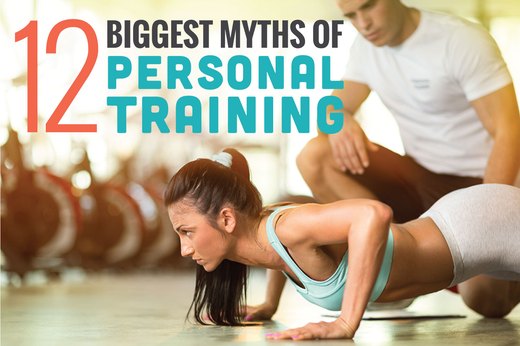
The 12 Biggest Myths About Personal Training


Last Updated: Jul 12, 2016 | By Jon Goodman


Overview
It’s time to set the record straight: Personal training is at the forefront of preventative care -- exercise is medicine after all -- yet the elitist gap between the general public and fitness industry seems to be widening. This disconnect is unfortunate, because trainers are really here to help. In an attempt to bridge the gap, these are the 12 biggest myths about personal training.

1. Trainers Know It All
The truth is that trainers get tricked into emptying their wallets just as much as the clients they serve. While they have at least one or two tried-and-true methods, they're also tweaking and testing new programs and exercises. When you ask yours a question about a new workout fad, pill or supplement -- even if he's heard of it -- he might not have had a chance to read the research surrounding its effectiveness (if it exists). It’s impossible to keep up to date with everything. What’s most important is to find a trainer you trust and follow his or her guidance.


2. All Trainers Have Six-Pack Abs
Most trainers are human beings who don’t eat broccoli and plain chicken exclusively. They indulge in an extra piece of cake, occasionally skip a workout and sleep in. Don’t judge trainers solely on their appearances, because you might not be willing to do what they do, and even if you are, every body is different. Case in point: Tiger Woods has a golf coach, and he’s not a better golfer than Tiger Woods. An expert has taken the time to study the craft, and the best trainers have a deep understanding of how the body works. Just because somebody has abs, doesn’t mean that she can help you get them for yourself.

3. Trainers Are Paid a Salary
It’s rare to find a trainer on a salary. Most get paid as they work. Also, in many gyms (especially large commercial gyms), there's a lot of pressure to hit sales targets. This means many trainers view the job in the wrong light. The best way to get and retain clients was, and always will be, to do a great job. But when a client cancels last minute and the trainer doesn’t get paid, the job becomes stressful to the point where it’s impossible to serve our clients. Even though you’re paying for an hour session, recognize that at least an hour of preparation time has been put into that session in designing the program, scheduling and researching.

4. Trainers Love to See You in Pain
To get stronger and look better, you don’t always need to be sore, and it’s not (or at least shouldn’t be) your trainer’s goal. Delayed onset muscle soreness (DOMS) occurs when you use muscles you haven't used before or in a different way than you're used to. That might also be helping you build muscle, but pain isn't mandatory. Truth is, the more intense the pain, the fewer high-intensity training sessions you can do. Hypertrophy (muscle gain) occurs in three primary ways: mechanical stress, metabolic stress and muscle damage. A good trainer monitors your soreness because it’s an indicator of how your recovery mechanisms are working.

5. A Trainer’s Job Is to Help You Lose Weight
While losing weight and getting fitter, are admirable goals, they're not SMART goals (Specific, Measurable, Attainable, Relevant and Timely). Without these components, you're likely to flounder in your attempt. A trainer helps you make SMART goals. A goal of losing 10 pounds always should have a deeper reason. Whether it's to fit back into your favorite outfit, look better naked, impress your in-laws or set a better example for your kids, ask yourself why you want to lose weight. Sticking to an exercise program is hard work. There are times when you’ll want to quit, especially in the beginning. Without understanding your why, you'll have a harder time sticking to achieving your goal.

6. You Have to Confuse Your Muscles
Keeping the body guessing isn't a good way to get fit. A trainer doesn’t need to teach you something new every day -- they need to teach you how to do something better. All of the most important movements you can do in the gym should come naturally. Perhaps you still know how to perform them or maybe your body has forgotten over years of inactivity. Either way, what’s most important is learning how to generate as much tension throughout a proper movement as possible. Trainers don’t need to teach fancy new exercises. Instead, they should focus on teaching you how you should be feeling throughout a movement. Form and consistency are fundamental.

7. Hiring a Trainer Is Enough
Most trainers don’t go into the business to get rich. Most trainers had their lives changed by finding fitness and made it their goal to spread that passion. Because of this, trainers get frustrated when their clients don’t do their homework and adhere to a prescribed nutrition and workout plan. Your success is their success -- both personally and financially. So if something is wrong and you don’t like the program or you're not seeing the results you want, speak up. If not, get it done. Even if you work out with a trainer three times a week, there are still 165 hours a week that you’re on your own.

8. You Need to Work Yourself Up to the Gym
Please stop thinking this! Personal trainers are trained to work with people at all levels. Some specialize in working with people new to training, while others focus on the advanced. In either case, they're there to help. The gym is meant to be a place where everybody is welcome, and if you’re not comfortable for any reason, let your trainer know. You might be nervous stepping into a gym for the first time, but there’s no better time than the present. If you don’t feel comfortable in the gym you’re using, change locations and find one you enjoy. Building a community with other exercisers is a great motivation to stick with your regimen.

9. Trainers Also Supply an Intricate Nutrition Plan
This is a bit of a sticky subject, and the rules change depending on where you live. In most places in North America, trainers may advise you on nutrition as long as that advice doesn’t extend beyond government guidelines. That said, few trainers have an adequate background in nutrition. A trainer may be knowledgeable if your situation mimics her own, but trainers often don’t know what the proper guidelines are for you. There are exceptions, but a trainer’s job is primarily to create your workout routine. If you’re looking for in-depth nutrition guidance, there are professionals -- such as registered dietitians -- who can work in tandem with your trainer.

10. A Perfect Workout Is an Hour Long
Most personal trainers hate the one-hour session. Workout protocols change depending on the goal of the session. A fast-paced metabolic workout might only require 30 to 40 minutes, while an intense hypertrophy (muscle gain) workout could be as long as 90 minutes. If a trainer ends a session in 50 minutes, it’s not because he's slacking, but because that was the optimal time to accomplish the goals of that session. Trainers have to maintain a schedule and because of that, they stick to charging for either 30 minutes or an hour. Think of it this way: You’re not paying for an hour of the trainer’s time; you’re paying for the accumulated knowledge that the trainer has spent years acquiring.

11. The Workout Is the Most Important Part
If it feels like you’ve hired a trainer to give you 10 exercises and stand over you while you sweat to make sure that you count properly, you’re getting ripped off. Requirements for an exercise program are basic for most beginners. A trainer’s job, first and foremost, is to get you to want to do the program and the workouts. It’s our job to get you comfortable, confident and looking forward to coming into the gym. Hopefully he knows how to count, too.

12. You Have to Train in Person
With the advances in technology, more trainers are taking their services partially online. There are four main reasons why online training is great for the client: First, it’s often cheaper. Training one-on-one can get costly very quick. Second, it’s independent of location. If you live in a remote area where there isn’t a gym or you’re not confident in the abilities of the trainers close to you, this is a good option. Third, matching your schedule with your trainer’s schedule can be a pain. Training online helps avoid the problem. Finally, online training allows you to research and find an expert in dealing with your specific goals.


The 10 Grossest Things That the FDA Allows in Our Food

This one was a little tough to get through, but there are somethings worth gagging over, so you know what you are eating.

=======================================


Overview


Hold the spice -- do you know what’s lurking in your black pepper? To keep our food production process humming along, the Food and Drug Administration allows certain imperfections to show up in our foods. They’re even listed out in the FDA's Defect Levels Handbook. LiveScience.com recently tallied up the number of defects, and found that, out of the 179 listed defects, a whopping 71 are insect-related. In fact, insects are the most common food defect. As to what the other “defects” really are? You may be in for a stomach-churning surprise. Here are our 10 worst.

10. Sand and Grit

Have you ever chewed on a raisin and tasted something sandy? You may very well be chewing on sand and grit. According to the FDA, foods such as raisins and cumin seeds can have small levels of sand, dirt and stones that contaminate the raw agricultural product at the time of harvest.

9. Foreign Matter

Foreign matter, which includes “sticks, stones, burlap bagging and cigarette butts” according to the FDA, can show up in your black pepper, sesame seeds and mace (the spice, not the self-defense spray!).

8. Rot

Rot is “plant tissue that is visibly decomposed, usually discolored with disagreeable odors and taste,” says the FDA. And it can appear in canned beets, cherries (fresh, canned or frozen), canned plums and potato chips.

7. Mold

Mold shows up as the second most common food defect in the handbook. It can appear in apple butter, various tomato products -- including ketchup and tomato juice -- and more. It's viewed as only an aesthetic problem (defined by the FDA as “offensive to the senses.”). However, the FDA warns that mold in ingredients like allspice, ground red pepper, cocoa beans and green coffee beans can be harmful. These types of molds may contain mycotoxin, which can make a person sick.

6. Mites

These creepy-crawly arthropods can appear in berries, frozen broccoli, mushrooms (canned and dried) and other products.

5. Insects

Whole insects could appear in foods such as berries (canned and frozen), peanuts, apple butter and cornmeal. Insect fragments -- or, to put it bluntly, body parts -- are found in ground oregano, ground allspice, peanut butter, chocolate and more.

4. Larvae

Juvenile, pre-metamorphosis insects -- or larvae -- could show up in sweet canned corn, berries (canned and frozen) and peaches (canned and frozen).

3. Rodent Filth

Rodent hairs, which the FDA has dubbed “rodent filth,” received 23 mentions in the handbook. Rodent filth can appear in crushed oregano, peanut butter, ground pepper, popcorn, sage… the list goes on.

2. Parasites

Fish parasites -- also known as copepods, or “free-swimming marine crustaceans” according to the FDA -- are permitted to an extent. Whitefish can contain 50 parasitic cysts per 100 pounds of fish (whole or fillets), while bluefin tuna can contain 60 parasitic cysts per 100 fish.

1. Mammalian Excreta

Mammalian excre -- what? Our winner for grossest food defect goes to mammalian excreta, otherwise known as animal poop. It appears 15 times in the handbook and can be found in cocoa beans, whole ginger, fennel seed and more.


Wednesday, July 27, 2016

How to Live to 100

I found this in a folder of things I filed for future reference. I find a number of things in this article interesting, but I don't necessarily agree with everything. If you aren't enjoying what you are doing, do something else. Change your environment as best you can to find new enjoyment. Why worry about living to 100 if you aren't doing what gives you pleasure, contributes to the people around you, or expands to your knowledge so you can enjoy being the person you really wish to be. You will only get a single chance to make the most of this life, and there is nothing beyond it. Make it a good one and have some fun.

==========================================

By Dr. Maoshing Ni

People often ask me if it is actually possible to live to age 100, especially if
they had bad habits in the past. I always answer that while aging is
inevitable, poor health is not. Read on to find the most effective ways to live
to 100.

It really is possible to live to 100.

The good news is that your body was designed to be 100 — but, you have to
get out of the way. Getting out of the way means taking an honest look at the
habits and lifestyle you are living with today. Most of us have developed
habits that limit our true health potential. But don't let these bad habits of the
past discourage you. What matters is what you do from this moment forward.
Leave behind the habits that aren't serving you — smoking, eating fast food,
and so on — and start choosing habits that your body needs to thrive.
Lifestyle habits that age you most quickly

The culprits that will most quickly age you and negatively affect your health
are:
1. Poor diet
2. Lack of exercise
3. Stress and worry
4. Exhaustion
5. Unhappiness
6. Lack of love
7. Toxic overload
8. Blockages and congestion of the transportation highways within our
bodies.

Healthy habits to live long

It takes 14 to 21 days of repetitive behavior to form a new pattern in your
brain. Once the pattern is formed, it becomes an automatic behavioral
response. As you develop new healthy habits, they will begin to replace bad
habits. Here are some of the most transformative longevity habits:

1. Drink more water
Drink 8 glasses of fresh, filtered water every day. Water is very important for
proper lymphatic drainage and hydrating the cells to prevent buildup of toxic waste products. Your safest bet is filtered water. The best kind of filtration
processes for removing contaminants use activated charcoal, which removes
the impurities but leaves the water-soluble minerals. Avoid water softeners,
which take away essential minerals.

2. Eat like a centenarian
The rural community of Rugao, four hours north of Shanghai, enjoys the
reputation as the "longevity county of China" because there are over 200
centenarians in the small region -- the highest number per 1,000 residents
anywhere in China. Rugao residents eat mostly fish, vegetables,
mushrooms, seaweed, corn and buckwheat. There was virtually no meat or
poultry present in the majority of their diet. Scientists have confirmed the
health benefits of a diet high in fish and vegetables and low in animal
products.

Know what foods to enjoy and what to avoid:
• The very best thing you can do for your health is to eat a wide array of
colorful fruits and vegetables every day.
• Eat fish and cut back on meat and poultry.
• Choose the right fats. Cut back on saturated fats like butter and avoid all
trans fats. Instead, choose mono-saturated fats: olive, sesame, canola, flax,
and fish oils.
• Avoid all refined sugars.

3. Restore with regular rest
Get 7 to 8 hours of quality sleep every night.

4. Take the stairs!
Take a walk. Go for a swim. Join the gym. Find an exercise activity that
works for you and stick to it, practicing at least four times a week for thirty
minutes a session. Regular exercise can strengthen your immune system,
uplift your mood, maintain joint mobility, increase energy - the list goes on
and on!

5. Manage your stress.
Stress is the root cause of most of the diseases that shorten our life span.
Meditation is a powerful way to manage your stress level. For the best
results, meditate every day. Start with five minutes and work your way up to
fifteen or twenty minutes. Another option? Get your exercise and stress-management all in one by beginning a tai chi practice.

6. Detoxify your surroundings.
With environmental factors causing ever more damage to our well-being, it is
important to know what to look out for and avoid. For starters, you can avoid
many dangerous chemical compounds if you buy organic foods and use
glass and recycled paper products. In addition, it is beneficial to undergo periodic detoxification treatments with special dietary and herbal regimens to
lower your body's toxic load. An herbal blend that is specially formulated for
helping your body detoxify is Internal Cleanse. Also learn how to eliminate
the toxins with this 5-Step Detox to Revitalize You.
I hope you found the answers to get you started on your own longevity quest!

May you live long, live strong, and live happy!

-Dr. Mao


Monday, July 25, 2016

Myths about Electromagnetic Hypersensitivity and Multiple Chemical Sensitivity


Electromagnetic radiation from power lines, wifi, cell phones, TVs, light bulbs, and toasters have been blamed for causing poor sleep, fatigue, heart palpitations, headaches, nausea, dizziness, memory impairment, skin rashes, depression, anxiety, colds, digestive disorders, and chronic pain.

Harriet Hall, M.D. asks whether electromagnetic hypersensitivity (EHS) is physical or psychological, and dispels some myths about it and other sensitivities. This article appeared in Skeptic magazine 18.1 (2013). Read Harriet Hall’s bio at the end of this article.
===========================================

As if we didn’t have enough things to worry about already, now we are being told to fear our toasters. A typical headline trumpets “The Effects of Invisible Waves.” We are increasingly exposed to electromagnetic radiation from cell phones, cell phone towers, wireless Internet routers, cordless phones, and power lines. Other sources 1,2 are our household appliances: TVs, hairdryers, light bulbs, and yes, your trusty toaster. These invisible villains are said to lead to a variety of symptoms, including poor sleep, fatigue, heart palpitations, headache, nausea, dizziness, memory impairment, prickling and burning sensations, along with skin rashes. They’ve even been blamed for depression, anxiety, colds, digestive disorders, and chronic pain. It’s called electromagnetic hypersensitivity or EHS.

Is EHS physical or psychological? Research is problematic because there is no universally accepted definition of the condition. The array of symptoms is reminiscent of the symptoms of chronic fatigue syndrome, Gulf War syndrome, fibromyalgia, somatization disorder, anxiety, and simple stress.

One sufferer claims to be so sensitive that if he is in the front yard and someone in the house hangs up from a cell phone call, he can immediately feel an energy shift.4 (What would happen to his brain in a stadium full of people on cell phone calls?) I’d love to see him submit to rigorous controlled testing— I’m guessing he has little chance of winning Randi’s million dollars.

Another says, “If I walk into a room or building that has Wi-Fi, my most immediate sign is that the front of my right thigh goes numb; if I don’t leave, I’ll get short of breath, chest pains and the numbness will spread.” (Numbness, shortness of breath, and chest pains are classic signs of hyperventilation due to anxiety.)

Such claims don’t hold up under scrutiny. A 2005 review in the Psychosomatic Medicine journal identified 31 blinded provocation experiments done on “electromagnetically hypersensitive” subjects. Twenty-four studies found no evidence of sensitivity. Seven studies did report some supporting evidence, but in two of them the same research group tried to replicate their own findings and failed; in three others, the positive findings could be attributed to statistical artifacts; and in the remaining two the results were mutually incompatible (one showed improved mood; the other showed worse mood). Studies that were not blinded all found that the patients reported symptoms only when they were aware that the EMF (electromagnetic field) source was switched on. The implication is obvious. The researchers noted:
The symptoms described by “electromagnetic hypersensitivity” sufferers can be severe and are sometimes disabling. However, it has proved difficult to show under blind conditions that exposure to EMF can trigger these symptoms. This suggests that “electromagnetic hypersensitivity” is unrelated to the presence of EMF. […]

Friday, July 22, 2016

Montana sense of humor


Montana!
                                                          Pinned by
                                                          http://flanaganmotors.com 
  
Need I
                                                          say more ?


Hunting
                                                          humor
 
 
....yeah,
                                                          baby!.....
 
 
Montana
                                                          highway cop
 
 
There was
                                                          this guy. Ba
                                                          dun da dun.
                                                          And then i ATE
                                                          him. Da da
                                                          dunnn!!!!! Ur
                                                          welcome. I
                                                          will sign
                                                          autographs by
                                                          that tree over
                                                          there.
 
 
A research project was done on what types of humans were the recipients of animal attacks.
 
When Montanans were asked they uniformly proclaimed it was "The slow ones."