by Alisa Hrustic for Men’s Health
Losing weight is a battle: And like any good fight, you don’t always come out on top. At first, you were dominating, dropping weight every time you stepped on the scale. Then, the numbers began to slow, and now they’re completely stagnant. You’ve hit the dreaded weight loss plateau. It’s a bummer when your fat loss slows, but hitting a weight loss plateau is completely normal. “The leaner you get, the harder it gets to lose those last few pounds,” says Tony Gentilcore, C.S.C.S., owner of CORE in Brookline, Massachusetts.
As you continue losing weight, your metabolism starts to slow down, so you either need to eat fewer calories or burn more calories to see continued weight loss. But still, your current weight doesn’t have to be your ending weight. You just need to start approaching your fat loss plan a bit differently if you want to see results. Here, six reasons you’ve stopped losing weight—and what you can do to get back on track.
Weight Loss Plateau Cause #1: You Don’t Portion Out Your Food
A lot of people devalue the importance of portion sizes, says Gentilcore. You might think eyeballing the amount of food you eat isn’t doing much harm, but it can make a big difference when you’re trying to shed those last few pounds.
If you’ve stopped seeing results, you need to pay attention to portion control. First, familiarize yourself with what you should actually be eating. For instance, a serving of beef is 3 ounces (about the size of a deck of cards) and a serving of potato salad is half a cup (about the size of half a tennis ball). Then, measure it out, Gentilcore says. After you get used to what that amount looks like, you can go back to eyeballing your portions. Here are 12 easy ways to estimate servings sizes if you need a place to start.
Weight Loss Plateau Cause #2: You Treat Yourself Too Often
What’s the harm of one brownie after a hard workout, right? Well, that kind of mindset can stunt your weight loss, says John Raglin, Ph.D. an exercise researcher at Indiana University Bloomington’s School of Public Health. “You could run an extra five miles, but it’s really easy to reward yourself with more than 500 calories,” he says. “The reward usually far exceeds the extra calories you expended.”
These excess calories stack up: If you eat a 500-calorie treat several times a week, that could be an extra day’s worth of calories each week, or more than 6,000 calories per month. And that can make a big difference if you can’t seem to move the scale, says Raglin.
Instead of binging on a sundae because you “earned it,” choose smaller portions of treats you really love, suggests Raglin, like a really decadent piece of dark chocolate or a small portion of a high-quality brownie.
Here’s one rule to go by: Only 10 percent (or less) of your daily calories should come from junk food, says Men’s Health nutrition advisor, Alan Aragon. If you feel like you’re not seeing results, try to stick to a lower percent in this range if a craving hits—so if you’re an active person eating 1,800 calories a day, that treat should only be around 180 calories.
Weight Loss Plateau Cause #3: You Think You’re More Active Than You Really Are
When you start working out more, you might experience something called “compensatory inactivity,” says Raglin. That means you might be exercising more, but moving less throughout your day.
Many people fall into this habit of “keeping score.” You bust your butt during your morning sweat session. Then when you get home, you plop down on the couch for the rest of the day to binge watch your favorite Netflix show because you feel like you’ve already done enough for the day.
That’s a mistake: If you’re serious about keeping up with your weight loss, falling into this habit of not moving after exercising can really hold you back, says Raglin. “Don’t miss out on opportunities to walk or be active or take the stairs,” he says. “It’s a small difference, but you’re keeping your metabolism up.”
What’s more, incorporating more movement throughout your day can keep you motivated, says Raglin. Make an effort to be active whenever you can—take your dog for a walk, kick around a soccer ball with your kids, or give yourself a daily step count target. The pounds will keep coming off, he says.
Weight Loss Plateau Cause #4: You Don’t Fuel Up Right
Sticking to a higher intensity routine boosts your appetite, says Raglin. You might end up feeling ravenous post-workout, causing you to overeat and gain all of those calories back instantly.
Play the preventive game: If you’re hungry going into your workout, chances are good you’ll be starving afterward. In that case, consider having a pre-workout snack to manage your hunger, says Raglin. You don’t want something too heavy or rich, which can make you feel uncomfortably full. Instead, shoot for an apple for quicker energy, a portion of lean meat such as turkey or chicken, and/or a handful of almonds to hold your hunger over. Or, you always can use protein bars.
If you work out before work or after leaving the office, you will need to eat afterwards. Just make sure you’re doing it right: If you have some time to kill before your usual dinner time, make yourself a protein shake or have a small snack so you’re not tempted to overeat at dinner, says Raglin.
Weight Loss Plateau Cause #5: You’re Not Consistent In YOUR WORKOUTS
Consistency matters when you’re trying to lose that last bit of weight, says Gentilcore. In fact, skipping just one workout can increase your odds of missing another one by 61 percent, according to British research.
Also, consistency matters in your routine, too. Despite what you may hear, novelty doesn’t necessarily equal progress, says Gentilcore. For a fat loss program to work, you have to stick to a routine long enough so you can really master it.
“The squat, deadlift, and bench press are staples for a reason,” he says. “People don’t give themselves enough time to learn and master these moves.”
The sooner you become proficient at an exercise, the better you get at it. That means you can add more weight to it, helping you gain and retain muscle—which helps you burn more calories throughout the day and fend off fat. But if boring really bothers you, add new stuff to the last 10 minutes of your usual routine as a finisher, suggests Gentilcore.
Then, usually after about 4 to 6 weeks, you can think about switching your exercises up, says Gentilcore. Once you’ve mastered your staples, you can seek out some more challenging variations, like switching up the classic flat bench press with the incline or close-grip bench press.
Weight Loss Plateau Cause #6: You Don’t Recover Properly
You’re not going to maintain or continue your weight loss if you’re too sore to keep up with your workout plan out for the rest of the week. Not taking your recovery period seriously can cause you to plateau, says Gentilcore. When you pump iron, you’re literally breaking down your body by causing micro tears in your muscle tissues, so you need give it time to rebuild that muscle before you get back into it.
“People don’t understand that going home and eating well, going to sleep, and drinking enough water is going to allow your body to recover so you can go back to the gym so you can do it again,” he says.
When you’re first starting out, training three days a week seems to be a happy medium for most people, says Gentilcore. But if you really want results, Gentilcore says it doesn’t hurt to work out 6 days a week, just make sure you’re alternating muscle groups, he says. If Monday is your chest day, work your legs Tuesday to give your upper body time to recover.
Wednesday, February 14, 2018


Monday, February 12, 2018
How to Find Your Motivation
by
I regularly post assorted articles on fitness and related subjects. Part of this is to inform others about these subjects, because they are good education, but often because they are also what I need to keep myself going. I'm just an average guy and I sometimes need a push in the right direction just like everyone else. This is one of those kind of articles.
Enjoy.
How to Find Your Motivation
Wednesday, February 07, 2018
Virtual Violence
A REVIEW BY TERENCE HINES
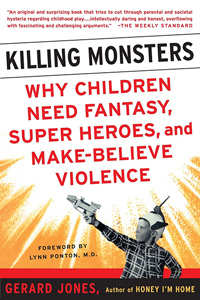
Video games, especially so-called “violent” games, are the latest in a long string of new entertainment media to be accused of “ruining the youth of America.” Video games as the cause of all sorts of societal ills have been preceded by dime novels, comic books, violent TV shows, and movies and songs with sexy or racy lyrics. In 2002, Gerard Jones published Killing Monsters: Why Children Need Fantasy, Super Heroes, and Make-Believe Violence (Basic Books), the first book, as far as I know, to critically examine the hysteria over alleged effects of make-believe violence in the media on children. It focused on all media, not just video games, and concluded that such media posed no threat.
Since Jones’ 2002 book, video games, especially violent video games (hereinafter VVGs), have been the focus of worry that VVGs lead to adolescent violence, even school shootings (think Columbine), and are as addictive and dangerous as drugs. Markey and Ferguson show in their new book Moral Combat that not only are video games, even the violent first-person shooter games, innocent of the charges made against them, video games can and do have positive influences on their players. The authors begin with a brief history of video games and other supposedly harmful media. For example, psychiatrist Fredric Wertham, a crusader against comic books, believed that comics caused juvenile delinquency and that Batman and Robin encouraged homosexuality. His 1954 book Seduction of the Innocent (Rinehart) was an important part of the crusade against comics. It turns out that Wertham “overstated and potentially even fabricated much of his data” (p. 32) that he used to castigate comics.
Markey and Ferguson argue, correctly in my view, that the crusade against video games is a moral panic akin to that seen in the panic over ritual satanic child abuse. Throughout the book they make the interesting point that the crusade is led by those who have little familiarity with the video games they attack, the gamers involved, or the gaming culture that has grown up around the games. They note that the researchers who do research aimed at showing the games’ deleterious effects are largely older individuals who have little knowledge of the gamers or contact with the gamers. […]
Monday, February 05, 2018
4 Truths Your Feet Can Reveal About Your Squat Form
by Sebastian Gonzales, DC, NSCA-CSCS
For being the part of the body that makes it possible to do just about anything, feet don't get a lot of respect—especially in the gym. They can be full of foot fungus, they're smelly, and sometimes they're downright ugly. But when you want to make sure you're squatting with good form, your bare feet can be the stars of the show.
To the trained eye, foot movement reveals a lot about squatting form. Proper foot positioning decreases knee stress, properly aligns the hips, and promotes spinal health. In contrast, sloppy foot contact will alter the path, decrease your strength and effectiveness, and increase your risk of non-traumatic lifting injuries.
It's hard to watch your own feet as you lift. Instead, have a friend videotape your feet as you perform the movement or lift under the watchful gaze of a movement professional. Start by squatting with no resistance. If no faults are evident, add some weight and see if a foot fault reveals itself. Don't keep adding weight to try to force a fault; you just might be one of those lucky people who don't have any! To be sure, check to see if any one of these four things is happening as you squat.
Foot Fault 1: Are Your Heels Coming Unglued? Heels lifting up during a squat is an indication that your body—and the weight—is moving forward. You want to be as stable as possible during a squat and when the heel creeps up, you instantly become less steady. Ideally, the weight should be aligned above your hips and ankles and steady over your entire foot. When weight shifts outside of this downward vertical line, the injury risk to your knees, hips and lower back skyrockets. To be clear, experiencing pain when you lift is not "part of the experience." It is always an indicator of poor form.
One quick way to remedy this fault is to "tripod" each foot by establishing three contact points on the ground: the heel, the ball of the foot, and the outer ball of the foot.
Spread your toes and glue these three points onto the floor to create a solid foundation from which to lift. If you don't consistently establish this solid contact, then you may become prone to: medial meniscal pain (inner knee), hip impingement (front of hip/groin), and lower back pain.
These conditions are brought up all the time in weightlifting forums by lifters who aren't sure where their pain is coming from. Although many lifters don't consider these "injuries," because of the lack of trauma, they are exactly that. These injuries come, not from trauma, but over time from poor form. They are extremely preventable and usually correctable, once you establish proper foot contact.
Foot Fault 2: Are Your Toes Blowin' in the Wind? When your toes come unglued, we have the opposite problem. If the toes are not planted firmly on the floor, it can cause you to sit too far back into your heels. This will result in an overworked posterior chain.
That's right: You can over-train your posterior chain if you're crushing it day in, day out—especially if you're doing lots of these exercises:
1). Back squats (heel dominance) 2). Romanian deadlifts (heel dominance). 3). Reverse hyperextensions 4). Barbell hip thrusts 5). Supermans
To remedy the lifted toe fault, use the tripod technique described above, and practice towel toe curls to strengthen your feet.
Foot Fault 3: Are Your Arches Collapsing? The collapse of the arches (your foot rolls inward) will allow the knees to cave. Poor knee position is a result of poor function or position of the joints above or below the knee. In this case, the culprit is the foot and ankle complex. There are a couple of ways to tell if someone's arches are collapsing:
Look at the outer foot. Does it lose contact with the ground? Look at the inner foot. Does the arch lose height to any degree?
Try this right now: sit down and tripod your foot. Force the knee to cave inward and see if you can feel your foot-contact pressures change.
If you can, try one of these adaptations:
1). Make sure your foot is fully tripoded.
2). Spread your toes as wide as possible while gripping the floor.
3). Push your foot down into the floor with more pressure.
When you correct arch collapse, you can also remedy upstream issues, including: knee cave, hip internal rotation, and leg drive dominance.
Foot Fault 4: Are You Amplifying Your Arches? The three foot faults we've already discussed are the result of a lack of intention while executing the movement. Raising the arches (your foot rolls outward), on the other hand, can be a conscious overcorrection and a learned behavior. More than one lifter has been coached to squat with the "push the knees out" verbal cue to correct knee cave. The coaching intention is good, but the end result is a movement pattern that doesn't allow for proper staking of the knee.
For being the part of the body that makes it possible to do just about anything, feet don't get a lot of respect—especially in the gym. They can be full of foot fungus, they're smelly, and sometimes they're downright ugly. But when you want to make sure you're squatting with good form, your bare feet can be the stars of the show.
To the trained eye, foot movement reveals a lot about squatting form. Proper foot positioning decreases knee stress, properly aligns the hips, and promotes spinal health. In contrast, sloppy foot contact will alter the path, decrease your strength and effectiveness, and increase your risk of non-traumatic lifting injuries.
It's hard to watch your own feet as you lift. Instead, have a friend videotape your feet as you perform the movement or lift under the watchful gaze of a movement professional. Start by squatting with no resistance. If no faults are evident, add some weight and see if a foot fault reveals itself. Don't keep adding weight to try to force a fault; you just might be one of those lucky people who don't have any! To be sure, check to see if any one of these four things is happening as you squat.
Foot Fault 1: Are Your Heels Coming Unglued? Heels lifting up during a squat is an indication that your body—and the weight—is moving forward. You want to be as stable as possible during a squat and when the heel creeps up, you instantly become less steady. Ideally, the weight should be aligned above your hips and ankles and steady over your entire foot. When weight shifts outside of this downward vertical line, the injury risk to your knees, hips and lower back skyrockets. To be clear, experiencing pain when you lift is not "part of the experience." It is always an indicator of poor form.
One quick way to remedy this fault is to "tripod" each foot by establishing three contact points on the
ground: the heel, the ball of the foot, and the outer ball of the foot.Spread your toes and glue these three points onto the floor to create a solid foundation from which to lift. If you don't consistently establish this solid contact, then you may become prone to: medial meniscal pain (inner knee), hip impingement (front of hip/groin), and lower back pain.
These conditions are brought up all the time in weightlifting forums by lifters who aren't sure where their pain is coming from. Although many lifters don't consider these "injuries," because of the lack of trauma, they are exactly that. These injuries come, not from trauma, but over time from poor form. They are extremely preventable and usually correctable, once you establish proper foot contact.
Foot Fault 2: Are Your Toes Blowin' in the Wind? When your toes come unglued, we have the opposite problem. If the toes are not planted firmly on the floor, it can cause you to sit too far back into your heels. This will result in an overworked posterior chain.
That's right: You can over-train your posterior chain if you're crushing it day in, day out—especially if you're doing lots of these exercises:
1). Back squats (heel dominance) 2). Romanian deadlifts (heel dominance). 3). Reverse hyperextensions 4). Barbell hip thrusts 5). Supermans
To remedy the lifted toe fault, use the tripod technique described above, and practice towel toe curls to strengthen your feet.
Foot Fault 3: Are Your Arches Collapsing? The collapse of the arches (your foot rolls inward) will allow the knees to cave. Poor knee position is a result of poor function or position of the joints above or below the knee. In this case, the culprit is the foot and ankle complex. There are a couple of ways to tell if someone's arches are collapsing:
Look at the outer foot. Does it lose contact with the ground? Look at the inner foot. Does the arch lose height to any degree?
Try this right now: sit down and tripod your foot. Force the knee to cave inward and see if you can feel your foot-contact pressures change.
If you can, try one of these adaptations:
1). Make sure your foot is fully tripoded.
2). Spread your toes as wide as possible while gripping the floor.
3). Push your foot down into the floor with more pressure.
When you correct arch collapse, you can also remedy upstream issues, including: knee cave, hip internal rotation, and leg drive dominance.
Foot Fault 4: Are You Amplifying Your Arches? The three foot faults we've already discussed are the result of a lack of intention while executing the movement. Raising the arches (your foot rolls outward), on the other hand, can be a conscious overcorrection and a learned behavior. More than one lifter has been coached to squat with the "push the knees out" verbal cue to correct knee cave. The coaching intention is good, but the end result is a movement pattern that doesn't allow for proper staking of the knee.
Top 8 Minerals for Staying Healthy, Strong, & Fit
by Emily Bailey for NSAM
You may be familiar with sodium, chloride, potassium, magnesium and calcium regarding needs for hydration, but these nutrients are also related to many other physiologic processes in the body. Nutrients—including micronutrients, major nutrients and trace minerals—all play an important role in promoting total-body wellness. And staying healthy, strong and fit improves overall quality of life, decreases stress and enhances athletic performance.
Many athletes are looking for a competitive edge regarding fitness and performance. While research does not conclusively show an ergogenic effect for specific nutrients, being deficient in any of them may hinder performance and potentially decrease overall health. Also of interest: It is debated in the research whether people with active lifestyles have increased needs for micronutrients. Intensity, duration, frequency and overall energy requirements also determine the needs of macro- and micronutrients. More research is needed to determine a conclusive answer on increased needs.
Though micronutrients, major nutrients and trace minerals do not directly boost energy or allow improved athletic performance, they do unlock the properties of our macronutrients (protein, fat and carbohydrate), which are necessary for all of our body’s physiological processes. You’ll see several specific examples in the chart that follows.
Incorporating a variety of whole, unprocessed foods will enable you to consume the major and trace minerals needed to allow your body to function at its best. These include the top 8 major and trace minerals: potassium, sodium & chloride (considered together), calcium, magnesium, iron, zinc, selenium, and chromium. If you are unable to consume a variety of foods, supplementation may be needed using a certified product. This list, which includes food suggestions and serving sizes, can help you ensure that your diet has a healthy mix of these top 8 nutrients.
1). Potassium (major mineral): AI for adults: 4.7g (that’s 4,700 mg, the highest need of all the minerals listed here).
Functions: Build proteins and muscle, Carbohydrate utilization, Control electrical activity of the heart, Control acid-base balance, Electrolyte balance.
Food Sources: 1 medium baked potato with skin (926 mg), 1 medium banana (422 mg), 1 medium orange (237 mg), ½ C spinach (420 mg), 1 oz sunflower seeds (241 mg).
2). Sodium/Chloride (major mineral): For healthy adults: RDA sodium: 2,300 mg, AI chloride: 2.3 g/day. For adults with high blood pressure: Upper limit for sodium: 1,500 mg.
Functions: Blood pressure, Blood volume, Muscle contractions, Transmission of nerve impulses, Electrolyte balance, Digestive juices in the stomach.
Food Sources: 1 t salt (2,300 mg), Cured meats (read labels), Naturally occurring in: 1 C milk (107 mg), 1 C beets (106 mg), 1 stalk celery (32 mg).
3). Calcium (major mineral): RDA for adults: 1,000-1,300 mg/day. Female needs are at the upper end of this range. Needs are not increased for active individuals except in hot or humid climates.
Functions: Building bones and teeth, Blood clotting, Muscle contractions, Transmission of nerve impulses, Activation of hormones and enzymes, Sustaining normal heart rate, Electrolyte balance.
Food Sources: 8 oz milk (300 mg), 6 oz yogurt (300 mg), ½ C cooked turnip greens (100 mg), ¼ C almonds (100 mg), Medium sweet potato (50 mg).
4). Magnesium (major mineral): RDA for adults: 310-420 mg, Male needs are at the upper end of this range.
Functions: Several metabolic functions required for exercise, Macronutrient synthesis, Neuromuscular coordination, Transmission of nerve impulses, Regulating heart beat, Immune system support, Electrolyte balance.
Food Sources: 1 C brown rice (86 mg), ½ C spinach (78 mg), 23 almonds (77 mg), ½ C lima beans (63 mg), 21 hazelnuts (45 mg), 8 oz milk (34 mg).
5). Iron (trace mineral): RDA for adults: 8-18 mg. Pre-menopausal female needs are at the upper end of this range.
Functions: Hemoglobin synthesis (anemia prevention), Transfer oxygen from lungs to tissues and muscles, Cardiovascular performance, Metabolism, Cellular function.
Food Sources: Heme sources are most absorbable from meat, seafood and poultry. Plants and fortified foods are non-heme sources.3 oz oysters (8 mg)3 oz beef (1.6 mg)1 C white beans (8 mg)½ C lentils (3 mg)½ C spinach (3 mg).
6). Zinc (trace mineral): RDA for adults: 8-11 mg.
Functions: Immune system support, Cell division, Cell growth, Wound healing, Carbohydrate breakdown.
Food Sources: 6 medium cooked oysters (27-50 mg), 3 oz pork (1.9-3.5 mg), ½ C baked beans (0.9-2.9 mg), 1 oz cashews (1.6 mg).
7). Selenium (trace mineral): RDA for adults: 55 mcg (that’s micrograms, not mg-milligrams).
Functions: Making antioxidant enzymes to prevent cell damage and improve recovery, Thyroid hormone metabolism.
Food Sources: 6 Brazil nuts (543 mcg), 3 oz tuna (92 mcg), 3 oz shrimp (42 mcg), 3 oz chicken (25 mcg), ¼ C sunflower seed kernels (18.6 mcg).
8). Chromium (trace mineral): AI for adults: 20-35 mcg.
Functions: Carbohydrate, protein, and fat metabolism, Fatty acid and cholesterol synthesis, Insulin action, Glucose metabolism.
Food Sources: ½ C broccoli (11 mcg), 3 oz ham (10.4 mcg), 1 English muffin (3.6 mcg), 8 oz grape juice (7.5 mcg).
References:
1). Rosenbloom, C. A. & Coleman, E.J. (Eds.) 2012. Sports Nutrition: A Practice Manual for Professionals (5th ed.). Chicago: Academy of Nutrition and Dietetics.
2). USDA (United States Department of Agriculture), National Agricultural Library. Accessed Dec 12, 2016. https://fnic.nal.usda.gov/food-composition/vitamins-and-minerals
3). NCBI (National Center for Biotechnology Information). Accessed Dec 12, 2016, https://www.ncbi.nlm.nih.gov/
Wednesday, January 31, 2018
pH Mythology: Separating pHacts from pHiction
BY HARRIET HALL, M.D.
The internet is a cornucopia of facts, some true and some “alternative” (in other words, lies). One topic that is particularly plagued by misinformation is pH. People are restricting their diet, buying alkaline water, testing their urine with pH test strips, and buying into bogus cancer cures, all on the basis of false pseudoscientific claims. Going back to basics will help us distinguish pHacts from fiction.
The internet is a cornucopia of facts, some true and some “alternative” (in other words, lies). One topic that is particularly plagued by misinformation is pH. People are restricting their diet, buying alkaline water, testing their urine with pH test strips, and buying into bogus cancer cures, all on the basis of false pseudoscientific claims. Going back to basics will help us distinguish pHacts from fiction.
A Quick Primer: pH 101
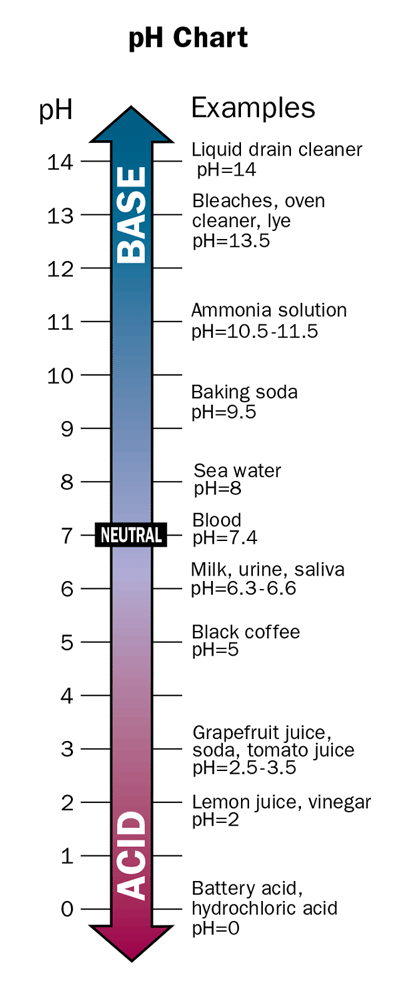
pH stands for potential of hydrogen. It is a logarithmic scale from 0 to 14 that measures the concentration of hydrogen ions. Water is neutral at pH 7; solutions with a pH less than 7 are acidic; solutions with a pH greater than 7 are basic, or alkaline. Logarithmic means the units represent 10-fold differences: pH 4 indicates 10 times as many hydrogen ions as pH 5. The pH of blood is maintained within a narrow range of 7.34–7.45 by a process known as acid-base homeostasis. Deviations are quickly corrected by compensatory mechanisms in the lungs and kidneys. The pH of stomach acid is 1.5–3.5, human skin 4.7, cerebrospinal fluid 7.5, and pancreas secretions 8.1. None of these are affected by the composition of the diet. The pH of urine can range from 4.6 to 8.0; it changes as the kidneys re-establish homeostasis after an acid or alkaline load. The pH of urine does not reflect the pH in blood or anywhere else in the body.
The Acid/Alkaline: Theory of Disease
This theory claims that too much acidity in the body causes disease, and that eating alkaline foods and drinking alkaline water will improve health. People are encouraged to test the pH of their urine to monitor their acid/alkaline balance. On Quackwatch, Dr. Gabe Mirkin explained that the acid/alkaline theory of disease is nonsense because dietary modification cannot change the acidity of any part of the body except the urine. He says, “If you hear someone say that your body is too acidic and you should use their product to make it more alkaline, you would be wise not to believe anything else the person tells you.”1
An herbalist offered a rebuttal, explaining that while the urine pH is not the same as blood pH, health is affected by small changes in blood pH within the normal range, and the urine pH is a good indicator of how hard your body is having to work to maintain homeostasis and how much stress that is putting on the body’s reserves.2 He claims that being on the low side of the normal blood pH range is unhealthy. There isn’t a shred of evidence to support those claims.
The Alkaline Diet
The alkaline diet leaps wildly to false conclusions from a simple fact: certain foods produce acid ash. In order to buffer the additional acid load, they say the body pulls out alkaline-rich minerals like calcium, phosphorus, and magnesium from the bones, teeth and organs. They say this leads to osteoporosis and fatigue, and compromises our immune system, making us vulnerable to viruses and disease. Avoiding acid foods will make the urine more alkaline, and people with alkaline urine are said to have a reduced risk of osteoporosis, cancer, and heart disease. The alkaline diet is said to facilitate weight loss and increase energy. It is even used to treat cancer. Proponents offer testimonials and cite cherry-picked studies that seem to support their beliefs. However, systematic analyses of all the published scientific studies have determined that the evidence does not support the acid/alkaline theory of disease, so it should be dismissed as pseudoscience. […]
Wednesday, January 17, 2018
Hormonal Balance & Metabolism: How Exercise Can Positively Affect Hormones
There are four hormones that are critical to the success of your weight loss program. Cortisol, insulin, thyroid, and the reproductive hormones (testosterone in men, and progesterone in women). When kept in balance, these hormones have the largest effect on metabolism. When out of balance, they can prevent you from achieving the optimal fitness results you desire.
Hormones could probably be one of the contributing reasons why you often times don’t see continued results. Increasing caloric expenditure while decreasing caloric intake is a tried and true method for achieving weight loss, but there are times when that system isn’t fool proof.
Cortisol: Cortisol is a glucocorticoid produced in the adrenal glands in response to stress. Mental stress (work), emotional stress (divorce), physical stress (exercise), or environmental stress (toxins) are all forms of stress that cause your body to increase the production of cortisol.
When cortisol levels increase, it stimulates the sympathetic nervous system, aka the “fight or flight” system. This activation tells your body you are in some form of imminent danger and it immediately increases your blood pressure, elevates your heart rate, and releases glucose into the blood stream from your liver. If this happens for an extended period, it will start to affect other hormones and wreak havoc on your metabolism.
Some of the more important symptoms of elevated cortisol include increased insulin resistance, reduced production of thyroid stimulating hormone, blockage of T4 to T3 (thyroid), and depression of testosterone production in men and progesterone production in women2. Left unchecked, chronically elevated cortisol creates an internal environment that becomes very difficult to allow for weight loss.
How exercise can improve cortisol balance: High intensity exercise done when cortisol levels are elevated above healthy ranges can add more stress to an already stressed system. If you think you may be in a state of chronically, or acutely, elevate cortisol, reducing the intensity of the training will not further increase cortisol. Reducing intensity helps the body to recover sooner, lowering cortisol.
Insulin: Insulin is produced in the beta cells of the pancreas in response to elevated glucose levels in the blood. In small doses, insulin is very anabolic, but when insulin is secreted over long periods of time, such as when someone is in a state of insulin resistance, then the metabolism does some interesting things.
First, since the muscles are not getting fed, they signal the brain telling it you are hungry, especially for sugar since it is the fastest thing to bring energy levels up. Next it increases inflammation systemically which then increases cortisol. Lastly, when glucose levels rise, your body tries really hard to do anything it can to lower it so it shifts fuel utilization away from fat-burning to carb-burning. Bye-bye fat loss.
How exercise can positively affect insulin: Since insulin balance and blood glucose regulation go hand-in-hand, and elevated blood glucose has been shown to slow down fat utilization4, maintaining a healthy insulin balance is important for the metabolism. High intensity interval training has been shown to improve insulin sensitivity. However, if cortisol is also suspected as being elevated, HIIT can also increase cortisol, worsening insulin resistance. A proper balance of 1-2 HIIT sessions per week, mixed with lower intensity, and recovery-based activities is a good way to start to positively affect insulin sensitivity, while allowing for long periods of recovery between bouts.
Thyroid: Thyroid hormone is the main metabolic hormone in the body. It is produced by the thyroid gland, located in the throat, in response to thyroid stimulating hormone that comes from the pituitary gland. However, the initial hormone produced by the thyroid, thyroxine4 (T4), is metabolically inactive. It must be converted into T3 in order to affect your metabolism. As previously stated, elevated cortisol can inhibit this conversion.
Many people that have been “diagnosed” with hypothyroid have a functioning thyroid, but their T3 level are low due to other factors3. While many doctors will quickly prescribe synthetic thyroid drugs, it is important to identify what could be causing these decreased levels.
How exercise can improve thyroid balance: Exercise intensity, especially in terms of cardiovascular exercise, has a profound effect on the thyroid hormones5. A study on exercise intensity and thyroid hormone levels found that at anaerobic threshold (~70% of MHR-maximum heart rate) all thyroid hormones were improved from baseline. As intensity continued to increase, TSH also continued to rise.
Reproductive Hormones: Testosterone and progesterone are the two main hormones in males and females, respectively. In males, if testosterone levels fall, it causes a loss of energy, limited ability to build and maintain muscle mass, and a loss in libido. In women, lowered progesterone production causes an imbalance in the estrogen to progesterone ratio resulting in irregular menstrual cycles, an increased risk for PCOS, pre-menopausal symptoms, and an increase of fat storage around the hips and triceps.
Ironically, elevated cortisol (i.e., chronic stress) can lower both testosterone and progesterone production through a phenomenon known as pregnenolone steal. In addition, there are several other causes to lowered reproductive hormones, including pesticides, xeno-estrogens, and nutrient deficiencies.
How exercise affects sex hormones: High intensity resistance training has been shown to have the most beneficial effect on testosterone in men6, and cardio training and resistance training at a moderate intensity has shown similar results on the reproductive hormones in women7.
References
1. LaValle, James B. “Cracking the Metabolic Code.” 2004
2. Sapolsky, Robert M. “Why Zebras Don’t Get Ulcers.”1994
3. Ismail, Adel AA. “On the Diagnosis of Subclinical Hypothyroidism.”The British Journal of General Practice57.545 (2007): 1000–1001.
4. Gillen JB, Percival ME, Skelly LE, Martin BJ, Tan RB, Tarnopolsky MA, Gibala MJ. Three minutes of all-out intermittent exercise per week increases skeletal muscle oxidative capacity and improves markers of health in overweight adults. PLOS ONE. Nov 3;9(11):e111489, 2014.
5. Ciloglu, Figen, et al. “Exercise intensity and its effects on thyroid ormones.” Neuroendocrinology letters26.6 (2005): 830-834.
6. Raastad, Truls, Trine Bjøro, and Jostein Hallen. “Hormonal responses to high-and moderate-intensity strength exercise.” European journal of applied physiology82.1 (2000): 121-128.
7. Copeland, Jennifer L., Leslie A. Consitt, and Mark S. Tremblay. “Hormonal responses to endurance and resistance exercise in females aged 19–69 years.” The Journals of Gerontology Series A: Biological Sciences and Medical Sciences57.4 (2002): B158-B165.
Thursday, January 04, 2018
Your article "How To Keep Your Muscle While Leaning Out"
I received a letter today from a lady who actually reads this rag of mine and was thoughtful enough to send a reply. If you’re in the market for, or are even considering some type of elliptical, give this article from Reviews.com a look. Their team creates reviews about various products using sponsorship-free processes in an effort to provide unbiased information. This article covers a lot of ground and may provide you with helpful data to consider. There's a pile of other reviews on Reviews.com, so there's plenty more to see. Their elliptical review covers the many options at hand when choosing a machine for your home gym:
Drive System Location - this determines how bulky the machine is and its ergonomic design
- Front drive ellipticals are small and inexpensive, but tend to be less natural in terms of range of motion. They also typically require more extensive long-term maintenance costs.
- Rear drive ellipticals are bigger and more expensive, but allow for a wider range of motion that feels natural like jogging. These machines also usually have lower maintenance costs.
- Center drive ellipticals are large, expensive, and come with luxurious bells and whistles. They offer the most natural range of motion possible and feature on-board entertainment.
Drive Mechanism - how does the machine increase resistance?
- Magnetic resistance uses flywheel magnets to control the intensity of the workout, offering a customizable and fine-tuned ride
- Air resistance is far less precise, essentially adding resistance the faster you pedal.
Pedal Design - where are your feet and how do they move?
- Wheel-track ellipticals use tracks on the base of the machine to anchor your feet into pedals. This allows for a less ergonomic range of motion, although you can usually adjust them to a certain extent. These are the lowest-priced options.
- Suspension ellipticals doesn’t use tracks, rather they suspend the body over the base of the machine for a natural feel. These machines offer great ergonomics, but do tend to be more expensive.
They also dive deeper into the design of the machines, programmable consoles, and incline adjustments later in the article, which you can look at here: Elliptical Machines
Tuesday, January 02, 2018
I, Too, Am Thinking About Me, Too
By Carol Tavris
Sarah Silverman recently made a video in which she described the painful conflict she was feeling about her good friend of 25 years, Louis CK. Watch it and you will see cognitive dissonance in action: on the one hand, she loves and admires the man, and values their long friendship. On the other hand, she detests and condemns the exhibitionist sexual behavior that he acknowledged. Many of the people watching this video wanted her to reduce that dissonance by jumping one way or the other: disavow their friendship, or trivialize his behavior. In this brave embrace of her emotional conflict and their friendship, she did neither.
Our whole country is living in a constant state of hyper-dissonance: “my political candidate/my most admired actor/a brilliant artist/my dear friend has been accused of sexual abuses and misconduct; how do I cope with this information? Do I support him/see his movies/enjoy his art/keep the friendship or must I repudiate him entirely?” Living with dissonance and complexity is not easy, but surely skeptics, of all people, must try. We hear a story that outrages us and, just like true believers and justice warriors of any kind, we’re off and running, and once we are off and running we don’t want to hear quibbles, caveats, doubts, complexities. Thus, when the Guardian (Dec. 17, 2017) reported Matt Damon’s remarks that there was “a difference between patting someone on the butt and rape or child molestation. Both of those behaviours need to be confronted and eradicated without question, but they shouldn’t be conflated,” Minnie Driver blasted him: it’s not for men to make distinctions; “there is no hierarchy of abuse”; men should just shut up for once. “If good men like Matt Damon are thinking like that then we’re in a lot of fucking trouble,” she said. “We need good intelligent men to say this is all bad across the board, condemn it all and start again.”
No hierarchy of abuse? Really? That is one of the universal symptoms of revolutionary zealotry: go for broke, ignore gradations of villainy, who cares if some innocents are thrown over the side, we are furious and we want everything at once. No wonder those of us in the boring older generation, who have lived through cycles of anger and protest, are so annoying. “Wait!” we keep saying. “Be careful! Remember the stupidity of ‘zero tolerance’ programs in schools, where a kid who brings a pocket knife for show-and- tell, or a 6-year-old boy who kisses a 6-year-old girl, got expelled?” We have also learned that while there is a time and place for revolutionary zealotry, the hardest challenge comes next, because change will not be accomplished without allies. […]
5 Questions for a Better New Year
from the PsychAlive e-zine, by Dr. Lisa Firestone
New Year’s tends to be a time of looking forward. Yet, in our effort to set goals for the future, it’s meaningful to reflect on the past year and make sense of what our experiences have meant to us. What can they teach us? How can the lessons of 2017 help us to achieve a more fulfilling 2018? The following are five essential questions that I have found can be of immeasurable value when setting forth on a new and better year.
1) What were the most memorable moments of this past year for you? From a mountain climbed to a child born, most of us can name our most meaningful moments since our last NYE countdown. However, when reflecting on this question, I recommend not just looking for those stand-out, life-changing incidents but those subtle moments when you felt the most “yourself.” What went into making those times so memorable? In other words, what lights you up? Perhaps, it was the meal you cooked that brought your friends together for an evening, the ordinary afternoon when you did something thoughtful for your partner, the calm you felt after spending a weekend away. It’s important to know what activities make you feel the most centered and yourself as well as the traits that are the most uniquely you. What environments bring out the best in you?
2) On the flip side, it is necessary to consider what takes away from your being your best self, the person you want to be all the time? What situations cause you to put up your guard or become irritable? Noticing what events trigger you to start acting in ways of which you disapprove is a vital step to making real change possible. For example, one of my relatives noticed that any time she felt extra pressure from her boss, husband, or even her 4-year-old son, she’d feel like shutting down. Turning into a “rebellious teenager,” she’d often forget an important task or errand that would leave others let down and her feeling like a failure. Recognizing patterns like these allows you to interrupt them and to get a better understanding of why we act the ways we do, instead of just blindly falling victim to our reactions. My relative was relieved when she made the connection between her current behavior and her childhood, which she spent resisting the rule of two very strict and disapproving parents, who told her directly that she was irresponsible and couldn’t be relied on.
3) Do you find yourself getting caught up in things that you think you should be doing? For instance, do you make yourself work too much at the expense of your personal relationship or friendships? Many of us end up saying “no” to the things we love, using the ever-available excuse of being too busy or exhausted. When we ignore or devalue our distinct interests and desires, we give up a part of ourselves that keeps us feeling passionate and alive. How many times have you heard people say, “Oh, I had to give that up when I had the baby/ got that job/ moved to the city?” Forgoing romantic time with your partner or filling our schedules with practical items can leave us with a feeling of emptiness and cause us to stray from our own individuality.
4) Do you turn things that you enjoy doing into “shoulds”? Many of us not only limit the time we take for ourselves, but we can even start to distort the things we love to do, turning them into things we have to do. Many couples I’ve worked with have resented their partner for activities they once shared, because they now feel like obligations. A romantic getaway can become a logistical nightmare. A job they once loved can become a constant source of stress. A friend of mine loves to host events, yet by the time the party rolls around, she spends the majority of her time tidying up and running around refilling platters. She rarely allows herself to actually sit still and enjoy the fruits of her labors, the people she’s brought together or the fun they’re sharing. Think about how you may be distorting or distracting yourself from experiences that mean something to you. To what degree might you be limiting your ability to sit back and enjoy the moments that are truly precious to you?
5) Have you started thinking negatively about yourself and the world around you? In the fast-paced society we are part of, it is too easy to get cynical. In addition, we are all susceptible to a destructive thought process known as the “critical inner voice” that detracts from our happiest times. This self-critical thought process critiques us and those close to us, while limiting us in achieving our goals. Surprisingly, these thoughts often arise in our most precious moments. After memorable time spent with a loved one, your partner or your child, for example, what do you take away from that moment? Do you feel happy and fulfilled? Does this feeling stay with you or do you notice certain negative thoughts starting to seep in? A man I know has described how every time he and his wife share an especially close period, he starts having thoughts like, “What’s so great about this anyway? Don’t get used to this; it will never last.” It’s not uncommon for our critical inner voice to enter into our lives at times when we are actually getting what we want. While punishing and unpleasant, these self-critical points of identity have become familiar and can cause us anxiety when we attempt to challenge them.
By challenging the ways we limit ourselves and expanding what we allow ourselves to have, we build a richer, more rewarding life. Taking this all-in approach can be scary, as it can leave us with so much more to lose. Yet, by accepting the challenge to know and become our real selves, we are better able to make each moment into memories we’re thrilled to reflect on come another new year.
Is It Ever Safe to Cut Calories More Aggressively To Burn Fat Faster?
By Tom Venuto
You’re losing fat too slow. You want to burn fat faster. However, you’ve heard that cutting calories too much will kill your metabolism, tank your hormones and wreak all kinds of havoc in your body, not to mention you’re so hungry on low calories, you’re miserable. But still, you see people doing it all the time – they cut calories lower than they’re supposed to, they get ripped abs, and they don’t seem any worse off for it. That begs an important question…Is it ever safe to cut calories aggressively to try to burn fat faster?
It turns out, the answer isn’t as cut and dried as some people believe. In today’s post I answer a reader question about aggressive calorie deficits and in the process, I’ve created a new set of guidelines – the 10 calorie cutting rules for safely losing fat faster.
Q: Tom, I decided to drop my calories to 35% below maintenance to see if I can lose fat faster, but part of me feels like I’m going against my own advice. I only have 8 pounds I want to drop, but I’m going on vacation in 5 weeks and would love to achieve my goal in that time and look ripped enough to see my abs. I’m currently 151 pounds and 21% body fat. I’m moderately active, including lifting weights. I calculated my maintenance at 2280 calories per day, so 35% deficit would be 1480 calories per day.
I know about the negative effects of cutting calories too much and I read in your book that 30% is considered an aggressive deficit and that’s usually the most you would cut, but 1480 calories doesn’t seem too low. Am I doing something terribly wrong to use a 35% deficit for only 5 weeks? Do you have any other advice on the calorie deficit or cutting fat faster, but without harming your metabolism or your health?
A: You’re not necessarily doing anything wrong by using a very aggressive deficit, especially only 35%, as long as you understand the potential risks that come along with the benefit of losing fat faster. If you weigh the pros and cons and you take all the possible precautions to limit the risk, it makes sense in some circumstances to reduce calories a little more than 30% below maintenance.
I know there has been a lot written about the risks of cutting calories too low, including on this site and in my book. But dropping calories more than 30% below maintenance is not something you should never do, it’s simply a judgement call you need to make, based on your situation.
Here is a quick recap on calorie deficit levels:
15-20% = conservative deficit (slow fat loss, no risk)
20-25% = moderate deficit (moderate fat loss, very low to no risk)
25-30% = aggressive deficit (moderately fast weight loss, low to moderate risk)
31-40% = very aggressive deficit (fast weight loss, risky)
50%+ = semi starvation/starvation (very fast weight loss, high risk; potentially unhealthy)
It’s worth highlighting two points about these numbers: The first is that most people don’t go over a 30% deficit because that keeps risks low. The second is that obesity scientists consider a 50% deficit to be “semi-starvation,” and recommend not attempting this much (prolonged) calorie restriction without medical supervision. I think “semi-starvation” is best avoided completely. This however, leaves some gray area around 35%, give or take a little, for discussion.
If you’re considering larger calorie cuts, keep in mind that the “risks” of low calories include: Hunger, Cravings, Feelings of deprivation, Low energy, Weakness (strength loss), Loss of endurance, Muscle loss, Nutrient deficiencies (essential vitamins, minerals, fats and amino acids). Metabolic adaptation, Bingeing, Rebound weight gain.
However, there are circumstances where it might make sense to cut calories more aggressively.
10 Calorie Cutting Rules For Safely Burning Fat Faster
Run down my list of aggressive calorie cutting conditions rules below and see how many fit your situation. If most or all of these 10 conditions apply to you, then going with a more aggressive deficit can be done with minimal risk and you’ll gain the benefit of faster fat loss.
1. When you are under deadline pressure.
When you don’t have much time to reach your goal and a deadline is impending, which you can’t change or you don’t want to change even if you could, and if you think you are behind schedule, then this is one case where it makes sense to increase your calorie deficit. If you don’t have a competition, vacation, photo shoot or some other time-bound event you are training for and the date is closing in rapidly, then what’s the hurry? Why not lose the fat a little bit more slowly, with less risk and less suffering?
2. When you are only cutting calories aggressively for a short period of time.
When you have a fast-approaching deadline, then by definition, you will only be cutting calories aggressively for a short amount of time. Aside from the fact that you might be hungry and there’s risk of rebound when a strict diet is over, there aren’t many serious side effects to cutting calories low for a short time.
If you’re only doing this for a month, give or take a week or two, it shouldn’t be a problem. Most of the really negative effects of very low calorie diets come from trying to follow very low calorie or starvation diets for month after month, or getting trapped in the vicious cycle of chronic low calorie dieting. This can be very damaging to the metabolism and increase risk of muscle loss.
3. When you can tolerate a little hunger and you don’t have to endure severe hunger or cravings during the diet.
Before you embark on a very low calorie diet, you should consider how your body, mind and personality can handle larger calorie deficits (and or reduced carbs) in terms of the hunger or cravings it might produce.
Cravings can be difficult to resist, but anyone can do it with the right environment, support, and mental toughness because cravings are usually psychological. You may simply miss specific foods or larger portions of food, and it’s easy to give in when you have those thoughts. However, if you know you’re susceptible to cravings and bingeing, then tread lightly with both calorie restriction and complete restriction of specific foods or food groups.
Hunger, on the other hand is physical. It can be triggered not only from an empty stomach, but also by hormones. Hunger can get the best of anyone with aggressive calorie deficits, so if you cut calories too much and end up bingeing because you can’t stand the hunger, any benefits you would have gained from a bigger deficit get wiped out.
If you’re one of the lucky ones where hunger doesn’t bother you that much, then you should be okay with a more aggressive deficit.
4. When you are confident you won’t binge when the diet is over.
You might successfully strip off the body fat at a rate faster than average and reach your goal of getting ripped by using an aggressive calorie deficit, but you have to ask yourself, what happens after that? the statistics for weight re-gain are almost depressing: Between 80% and 95% of of all fat-loss seekers gain back the weight they lose.
There is some evidence that extremely restrictive diets increase the risk of weight regain, but contrary to popular belief, there is no definite proof that doing a short-term very low calorie diet will always increase the risk of relapse. What then, is the “secret” to being among that small percentage of lifetime maintainers? That’s a complex question, but it seems to depend at least partly on each person’s mindset, and their personal tolerance for hunger and food restriction.
It also depends on how well they prepare for what comes after the diet (many people don’t give a single thought to maintenance until after they are staring in the mirror at the aftermath of a post-diet binge). It’s a human tendency to hold out with sheer willpower until a deadline date has passed, but then when the goal is achieved, to completely let loose, undoing in days much of the work that was done in the many weeks preceding the event.
This is why people who are highly susceptible to hunger or who have a history of binge eating are not good candidates for any type of aggressive dieting including large calorie deficits. But if you can handle the pressure of a larger deficit for weeks (or months) without exploding in a binge at the end, that’s one more indication that it’s probably okay to go ahead with an aggressive calorie deficit.
5. When your body fat level is not already very low.
The lower your body fat level, the higher your risk of muscle loss and metabolic adaptation when you restrict calories. The higher your body fat level, the lower the risk (overweight men and women can use a larger calorie deficit and lose weight faster without negative effects).
If you’re already lean and trying to get super lean (ripped, six pack abs, photo shoot ready, etc.), your body’s instinct is to protect the remaining fat reserves, even to the point of giving up muscle for energy first. It’s a starvation protection and survival mechanism. If a person is overweight or obese, there are large reserves of fat on the body, and there is really no danger of impending starvation, so if calories are cut aggressively, there’s a much lower risk of muscle loss, extreme hunger or metabolic slowdown.
Therefore, if you’re lean, like a bodybuilder or figure athlete starting to get ready for competition, you should be very cautious about using aggressive calorie deficits. You’d be better off keeping the deficit conservative and starting your diet earlier to allow for a slower and safer rate of fat loss, with maximum retention of muscle tissue. Ideally, you’d simply stay leaner in the off season so you don’t have much to diet off to begin with.
6. When you’re training consistently, with the primary focus on moderate to heavy weight training
Weight training is the number one key to maintaining your lean body mass when you’re in a calorie deficit. If you’re training consistently and progressively, continuing to increase weight or at least the number of reps you do with the same weight, your risk of losing muscle is low.
One of the biggest mistakes dieters make is thinking that light weights and high reps will improve fat loss. The truth is, fat loss is primarily a function of calorie deficit, so unless your weight training increases your calorie deficit, reducing the pounds lifted will only make your lifting program less effective at maintaining muscle and strength while dieting.
Heavy training is usually considered the 4 to 6 rep range (the strength zone), and moderately heavy training is considered the 8 to 12 rep range (the hypertrophy zone). Occasionally it’s beneficial to use higher reps in the 13 to 20 range, but for maintaining muscle and strength, the best optimal approach is doing the majority of your training in the 6 to 12 rep range.
An even bigger mistake when dieting in a large calorie deficit is to focus only on cardio. Unfortunately, many people think dichotomously about training; they believe that cardio training is for burning fat and weight training is only for building muscle. Actually, both types of training burn calories, yet only weight training will build muscle and strength and prevent you from losing lean mass when dieting. When you’re in an aggressive calorie deficit, doing too much cardio, without weight training, can increase the risk of muscle loss.
7. When you’re eating enough protein.
The second most important key to maintaining your lean body mass while dieting is being sure your protein intake is sufficient. Most people know that when you’re weight training, your protein needs go up above what a sedentary person would require. What most people don’t know is that when your calories go down, your protein needs don’t go down. If anything, your protein needs go up when you’re in a calorie deficit.
There is a fairly wide range of acceptable protein intakes for resistance-trained people, from 0.8 grams of protein per pound of body weight per day to about 1.0 grams per pound of lean body weight. The bigger your calorie deficit is, the more you benefit from leaning toward the higher end of the protein range. Some bodybuilders are known to consume up to 1.2g/lb or even more during pre-contest prep when calories are very low.
8. When you’re certain that you’re getting all the essential nutrients you need.
The lower your calories go and the less food you eat, the higher your risk of falling short on a variety of nutrients. Of first concern is protein. At the very least, enough calories have to be consumed to meet your protein needs, which provide you with essential amino acids. On top of protein, some fatty acids are also essential, so you have to eat enough calories to obtain those as well.
The more restrictive your diet is, and that includes the restriction of specific food groups as well as total calorie intake, the higher your chance of vitamin, mineral, phytonutrient and fiber deficiencies. Calories from starchy carbs and grains can be reduced substantially, but eating plenty of vegetables and fruits on top of the protein and healthy fats is necessary to cover your bases for micronutrients.
9. When you’re losing fat and not losing lean muscle.
If you’re already dieting with a very aggressive calorie deficit, and things are going well, then don’t worry or over-think too much, just pay attention to how you feel (strength, energy, hunger, etc.) and keep measuring your results every week to make sure you stay on track.
If you’re losing fat and maintaining all your lean body mass on a very aggressive calorie deficit then why not stay with it? (You’ll get maximum fat loss that way). On top of getting good body composition results, if you’re not suffering from extreme hunger or cravings, and you’re diligently meeting all your nutritional needs, then there’s not much to worry about.
In fact, if you’re on a very conservative calorie deficit of only 15% -20% and the fat loss is painfully slow, it makes sense to try increasing the deficit a bit (you’ll speed up fat loss that way). Just monitor your results and keep doing more of what’s working.
10. When you’ve planned ahead for maintenance for the next goal.
It’s possible you may reach a short term fat loss goal using an aggressive diet and losing fat faster than average. But what then? Most people haven’t planned ahead, so they abruptly stop the diet and go back to how they were eating before, or worse, they end it with a huge binge and immediately begin gaining back the fat they lost.
Most dieters are very short-sighted. The most successful people have long-term time perspective, and they are perpetual goal setters. They think about fitness, health and self-improvement as a lifelong journey, and the goals are simply stepping stones along the journey.
If you’re always thinking one goal in advance and you have a plan for long term maintenance for when your current fat loss goal is achieved, you’re much less likely to be one of the weight loss relapse statistics.
– Tom Venuto
Wednesday, December 20, 2017
Exercise for the Aging Brain
from Personal Fitness Professional, by Cody Sipe 
Dementia is one of, if not the greatest concern among older adults, and with the prevalence of Alzheimer’s disease on the rise, it is a valid one. It is anticipated that the worldwide cases of Alzheimer’s disease will increase from 46.8 million in 2015 to 131.5 million in 2050 (World Alzheimer’s Report 2015). Most, if not all, older adults would rather die earlier than live an extra 5-10 years unable to recognize their loved ones and having to be taken care of. This fear has helped create a global business sector centered on “brain training” apps, software, games… even Sudoku and crossword puzzles. But do they work? And can exercise be used as an effective intervention to improve cognitive function?
The research overwhelmingly suggests that cognitive function in old age is primarily due to lifestyle factors rather than the aging process. Nutrition, stress, environment, physical activity, relationships and other factors have an impact on cognition as we get older. Risk factors for cognitive decline include age, genetics, insulin resistance/diabetes mellitus, hypertension, obesity, smoking and amyloid plaques (Baumgart et al 2016). Although some individuals will suffer from memory loss or even develop dementia, these are not normal parts of the aging process as many older adults remain mentally sharp throughout their whole life.
Most studies assessing the effects of cognitive task training have used computerized brain training software (games). The data indicates that computerized cognitive training improves certain cognitive domains a small to moderate degree with no significant effects in executive functions. It is also clear that only the trained cognitive process improves with no transfer effects, meaning that other related cognitive processes do not improve (Ballesteros et al 2015). The largest cognitive study to date, the ACTIVE study, assigned people to one of three cognitive training groups: memory; speed of process; or reasoning. In all three groups the skill that was trained significantly improved with no transfer to untrained functions or to everyday activities.
Exercise has been identified as one of the best ways to improve cognitive function and is probably better than playing any of the brain games that have become so popular. Several recent systematic reviews (Bamidis et al 2014; Ballesteros et al 2015; Hotting et al 2013; Szuhany et al 2015) have investigated the relationship of exercise to cognition and have made the following conclusions:
1). Resistance exercise stimulates the production of Immuno-Globulin Factor 1 (IGF1).
2). Cardiovascular and resistance exercise improve executive function the most (strategic planning, mental flexibility, inhibitory control, problem solving and working memory).
3). Cardiovascular exercise of sufficient intensity (60-75% max heart rate) and frequency can significantly elevate brain derived neurotrophic factor (BDNF).
4). Low BDNF levels are linked to Alzheimer’s disease, accelerated aging, obesity and depression.
5). Cardiovascular and resistance exercise have a synergistic effect on brain function likely due to stimulating the brain via different pathways (BDNF and IGF1) and maximizing neurogenesis, synaptogenesis and angiogenesis.
6). Computer based-brain games can improve the functions of the brain used during training tasks, but there is no carryover effect to other cognitive functions.
7). The “sweet spot” where the best outcomes occur seems to be activities that combine physical exertion with mental challenge, such as learning a new sport.
8). The research confirms that physical activity and exercise are keys to maintaining high levels of cognition and reduce risk of dementia with advancing age.
There are many ways to stimulate neuroplasticity during training. One key is to continually introduce new skills and movement patterns into the routine. Increase movement complexity regularly and often. For example, instead of practicing the same stepping (agility) pattern every session, use a different stepping pattern every time. Another key is to play. Have fun, laugh, use your imagination and basically act like a kid again. Introduce games that require physical movement such as hop scotch or Red Light, Green Light and incorporate an element of fun. Finally, encourage your clients to continually learn new physical skills – play a sport or instrument; paint or sculpt; take dancing lessons.
Exercise for older adults is about much more than just losing weight and building muscle. According to the Functional Aging Training Model developed by the Functional Aging Institute, it is important to address all primary domains of overall functional ability including: cognitive/emotional; neuromuscular; musculoskeletal; cardiorespiratory; balance and mobility. It is possible to create exercise programs that will keep your older clients functional and mentally sharp for years to come.
To Delay Death, Lift Weights
Two new studies remind of what we already know, but sometimes forget
by Alex Hutchineson, from Sweat Science from Outside e-zine:
Trust me, I understand—in theory—that I should be stronger. Yes, I’m an aerobic beast (or an aerobic addict, if you prefer), but I’m not oblivious to the benefits of having a reasonable amount of muscle. When I play the “look, you’re touching the ceiling!” game with my 18-month-old, I’d prefer that she get bored before I have to admit that Daddy can’t military-press her anymore. And I’m hoping that 20 years from now I’ll still be able to push myself out of an armchair without help.
But there’s a gap between “should” and “do.” This gap is one of the most vexing riddles in public health, and even people like me, who spend their days telling other people what they should be doing, aren’t immune to it.
For that reason, I’m always eager for reminders of what’s at stake—and two new papers offer some eye-opening insights into the benefits of strength training, even for people who consistently blow the aerobic exercise guidelines out of the water.
The first is an analysis of the link between strength, muscle mass, and mortality, from a team at Indiana University using data from the National Health and Nutrition Examination Survey. The design was pretty straightforward: They assessed 4,440 adults ages 50 or up who had their strength and muscle mass assessed between 1999 and 2002. The researchers checked back in 2011 to see who had died.
For muscle mass, they used a DEXA scanner to determine that 23 percent of the subjects met one definition of “low muscle mass,” with total muscle in the arms and legs adding up to less than 43.5 pounds in men or 33 pounds in women. For strength, they used a device that measures maximum force of the knee extensors (the muscles that allow you to straighten your knee) and found that 19 percent of the subjects had low muscle strength.
The results, published in Medicine and Science in Sports and Exercise, found that those with low muscle strength were more than twice as likely to have died during the follow-up period than those with normal muscle strength. In contrast, having low muscle mass didn’t seem to matter as much.
Marlene's Note: Fro you folks who like charts (like me...), here's one from that study. Be sure to read your legends (below) carefully).
Here’s what the results look like. LMM is low muscle mass, and LMS is low muscle strength:
The reference group, on the right side in the front, is those without either condition. In comparison, those with both conditions were 2.66 times as likely to die during the study. Having low muscle mass but normal strength, on the other hand, didn’t seem to be such a bad thing.
The message here? Function matters more than what you look like. That doesn’t mean you can afford to let your muscle melt away as you age; having a good reserve of muscle mass may be important, for example, if you end up having to spend time in the hospital at some point. But it’s good news for those of us who struggle to put on muscle but persist in slogging through a reasonable number of pull-ups and other strength exercises.
The other study took aim at the perception that strength training is an afterthought in public health guidelines. Most of us remember that we’re supposed to get at least 150 minutes of moderate exercise or 75 minutes of vigorous exercise per week. Reams of data support the beneficial health effects of hitting this goal.
But the guidelines also suggest doing “strength-promoting exercise” at least twice a week—a clause that’s often forgotten and the benefits of which are usually framed in terms of avoiding frailty and improving quality of life, rather than actually extending it.
Researchers in Australia analyzed data from 80,000 adults in England and Scotland who completed surveys about their physical activity patterns starting in the 1990s. The headline result was that those who reported doing any strength training were 23 percent less likely to die during the study period and 31 percent less likely to die of cancer. Meeting the guidelines by strength training twice a week offered a little extra benefit.
One interesting (and, for me, reassuring) detail: Strength training in a gym and doing bodyweight exercises seemed to confer roughly equivalent benefits. So you don’t necessarily need to heave around large quantities of iron.
In this particular cohort, the benefits of meeting only the strength-training guidelines seemed to be roughly equivalent to meeting only the aerobic-training guidelines—at least in terms of overall mortality. However, strength training didn’t confer any protection against heart disease. There’s some evidence that strength training may reduce blood pressure but increase artery stiffness, effectively canceling out the heart benefits. This study can’t answer that question, but the findings do suggest that ditching aerobic exercise entirely may not be optimal. And indeed, the best outcomes of all—a 29 percent reduction in mortality risk during the study—accrued to those who met both the aerobic and strength-training guidelines.
So, in summary, strength training is good for you. Does that really tell you anything you didn’t know? Perhaps not.
That said, a few months ago, I wrote about a study in which runners received automated online advice to help them avoid injuries. The advice seemed painfully obvious: Listen to your body, don’t increase pace and volume too suddenly, and so on. But it worked. Injuries were reduced by 13.1 percent. That’s more or less what I’m hoping for by writing this piece, for all of us: that a reminder of something obvious, bolstered by fresh evidence, will help me continue to do what I know I should.
Your Holiday Survival Guide: The Fitness and Nutrition Edition 6 simple ways to help stick to your plan during the busy party season
By John Berardi, Ph.D.
Holiday preparations, family visits, and epic meals… end-of-the-year festivities can make it feel impossible to avoid skipping workouts, gaining weight, and landing on January 1st with a momentous food, beverage, and celebration hangover. That’s why I put together this Holiday Survival Guide.
It’s packed with the tips and tricks we use to help you prioritize health, fitness, and nutrition no matter what life — including the holidays — throws at you. Life can be calm and collected. Or it can be frenetic and crazy. The holidays, of course, offer a healthy dose of the latter.
Indeed, my wife and I have four little children — although it sometimes sounds like 97 of them — plus big extended families who like to visit for the festivities. Oh, you should see our house. Minions and princesses everywhere, bits of craft projects stuck to every surface, groceries to be put away, meals to be cooked and eaten, towels to be washed, and so many kids to be bathed and tucked in for sleep.
It’s really fun and it challenges our preferred eating and exercise schedules. Yet, over the years, we’ve gotten really good at eating and exercising how we want, even during the holidays. There are some modifications, of course.
I’ve passed these strategies along to people to help them get the most health and fitness — along with fun and joy — out of their own holiday seasons. Towards that end, here’s a Holiday Survival Guide” for you.
We often say that your food and fitness strategies should be designed for your most hectic days — not just the easy, or perfect, ones. Use these tips to eat and move more intentionally during the holiday season. I promise you’ll be feeling strong, confident, and in control no matter how frantic your days.
Holiday Survival Tool #1: Eat slowly and to “satisfied” instead of “stuffed”
The most effective (and sanity-preserving) tool for holiday eating may also be the simplest one: Eat slowly. (And stop at “satisfied”, instead of “stuffed”). This strategy helps you avoid overeating for two main reasons:
Physiological: It takes 15-20 min for your digestive system to let your brain know that you’re satisfied. Slowing down a meal allows that to happen before you overeat.
Psychological: When you slow down, “sense into”, and savor your food, you feel content with much less. This means you’ll eat less but enjoy what you’ve eaten more.
Indeed, when eating slowly (and stopping at “satisfied” instead of “stuffed”) you can try all the delicious foods on Grandma’s buffet without guilt or needing to “work it off later”.
Holiday Survival Tool #2: Take small, basic steps to exercise even when you’re busy. It’s one of the most common patterns we see: Folks who want to get (and/or stay) fit will exercise diligently for months, only to get derailed by the holidays and “fall off the wagon” for the entire year. That’s why it’s best to construct a simple “maintenance” workout, which you can do no matter where the holidays take you.
This plan should take only a few minutes a day, require minimal or no equipment, and it focus on compound exercises (big muscles, big movements). This will make it very effective when you want a good movement session but have limited time.
Holiday Survival Tool #3: Eating well on the go.
The end of the year has most people bouncing from supermarket to mall to party to recital — not to mention the planes, trains, and automobiles routine if you’re traveling. When you’re on the go, it can feel like navigating a nutritional minefield: Hunger signals overpowering, junk food everywhere, little time to sit down and eat your veggies. Challenging, of course, but not impossible. With smart strategies you can eat well on the go no matter where life takes you.
Holiday Survival Tool #4: Make the perfect Super Shake
What’s a Super Shake? It’s a nutrient-packed, delicious, liquid meal that you can whip up and drink while you help a 4-year-old glue googly eyes on felt reindeers. You see, letting yourself get too hungry is one of the best ways to end up over-drinking and overeating. And during the holidays, you don’t always have the time to prep a nice, balanced plate of protein, veggies, fruit, and healthy fats.
Holiday Survival Tool #5: The best calorie control guide
Want to get through the holidays without losing strength? Without gaining extra weight and body fat? That’s all possible. Sure, it’ll feel difficult with all that calorie-dense food in front of you. But your health can survive another year of Mom’s mostly-butter mashed potatoes and Aunt Marie’s pumpkin bourbon cheesecake if you just eat slowly and pay attention to portions.
No, no… not calorie counting. That’s often annoying, impractical, and inaccurate, especially at Christmas dinner. So try the “hand measure” system instead.
Do this, eat it slowly, and you’ll have a nutritionally portioned, filling, energy creating plate of chow!
Holiday Survival Tool #6: Love your veggies! Another effective strategy to avoid gaining weight and body fat during the holidays? Eat lots and lots of veggies. They’re water-dense, fiber-dense, calorie-sparse, and full of the nutrients you need to keep your energy and mood up for holiday party #17. The only problem? Many folks don’t love the taste of veggies, especially compared to hyper-palatable holiday food.
Subscribe to:
Posts (Atom)